Ruth Maier
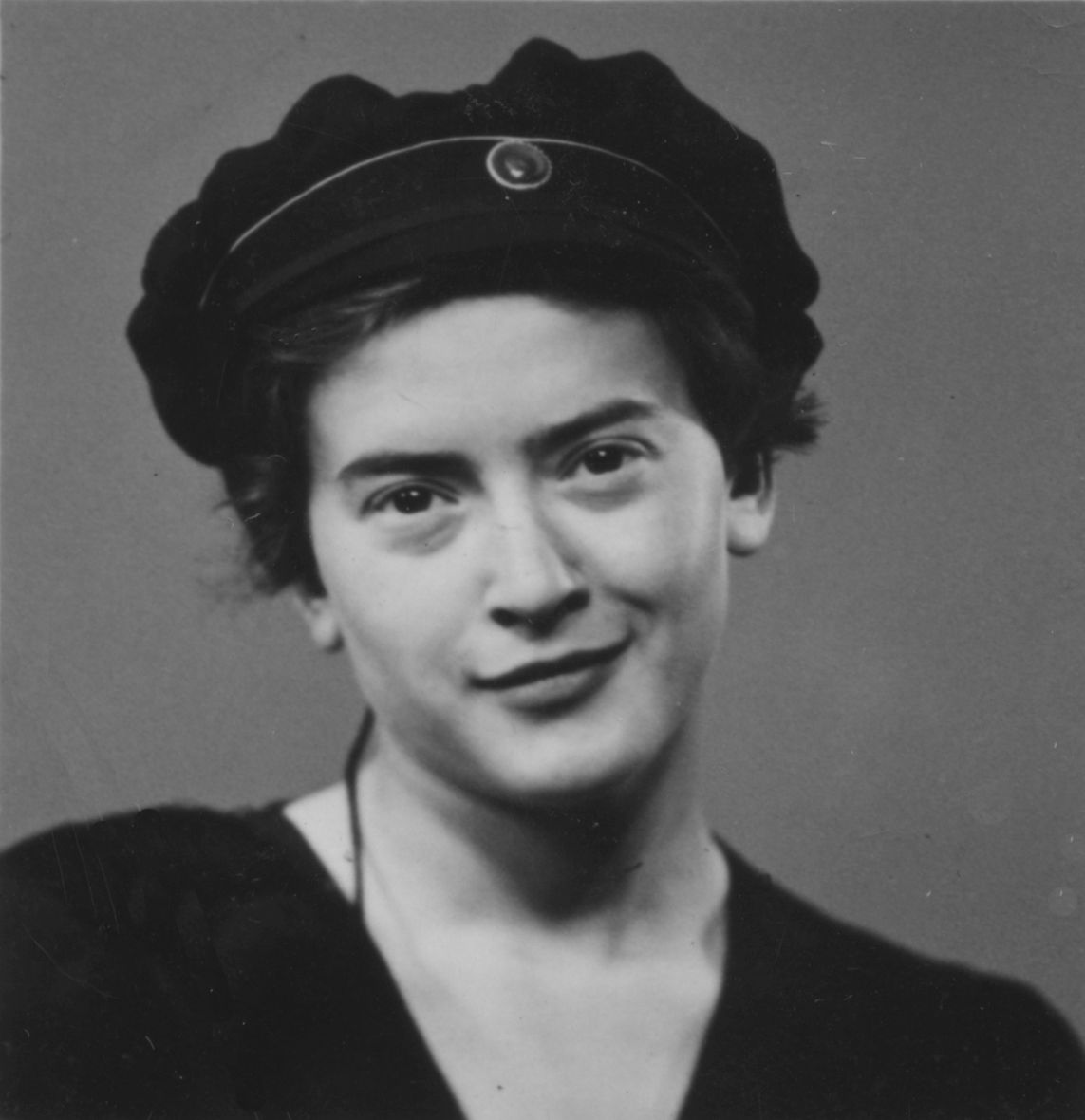
Ruth Maier was born on November 10, 1920, in Vienna. She grew up in an intellectually and culturally oriented, assimilated Jewish family. She often spent her summer vacations with her younger sister Judith at her grandparents' home in Žarošice, Moravia. She fled to Norway in January 1939, where she graduated from high school and studied at the School of Arts and Crafts. On November 26, 1942, Ruth Maier was deported along with other arrested Jews from Oslo to Szczecin and murdered five days later in the Auschwitz Birkenau camp. Her diaries were preserved by Gunvor Hofmo, the closest soul Ruth met in Norway. She tried to publish them, but was rejected several times. It was not until 2007 that Jan Erik Vold published them in an edition, and since then they have been translated into several languages. Ruth Maier's archive was added to the UNESCO World Cultural Heritage List in 2014.
Ruth Maier was creative, curious, empathetic, interested in the world around her, eager to understand it, actively engaged in life, involved in theater, comfortable with her body, athletic, a writer of poetry and prose, a painter, drawn to art, a volunteer, and intolerant of injustice. Although life circumstances placed her in the role of victim, she tried not to accept it. At the same time, she doubted her identity and her mission in life, and as a result of persecution and her subsequent escape to Norway, she had serious mental health problems. She felt deeply insecure and very lonely. All of this makes her relatable to today's young people and goes far beyond the topic of the Shoah, with which she is most often associated as the "Norwegian Anne Frank." The task of the Ruth Maier Foundation is to take up this challenge.

Lessons for the Future
"The fates of our family serve as an example of how familial cohesion, love, and friendship can help overcome barriers of religious, racial, ideological, and national differences. It illustrates the importance of assessing every person and every event in all their contexts, not just in black and white terms. Our family experienced persecution during the era of Nazism due to its Jewish roots, and soon after, the family faced persecution from Czechs for its German roots. As a descendant of the Maier family, I understand the words of Norwegian Prime Minister Jens Stoltenberg, who apologized for Norway's involvement in the Holocaust using the example of Ruth Maier's deportation, as well as the words of President Václav Havel when he apologized for the expulsion of Germans. Not only the stories of the victims but also the fates of the survivors provide us with crucial lessons for the future."
VILÉM REINÖHL
descendant of the Maier family
in memoriam